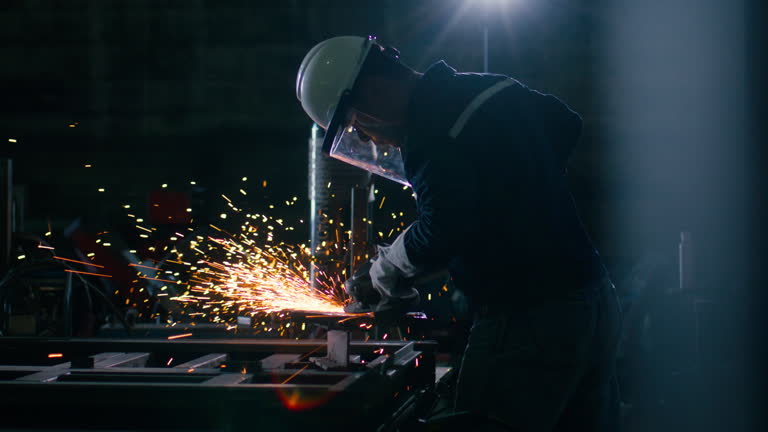
Metal fabrication plays an important role in creating, modifying, and repairing components used across construction, commercial, industrial, and property projects. The process can involve cutting, bending, welding, forming, and finishing metal according to specific requirements. Businesses looking for metal fabrication reno nv can benefit from understanding the available services, materials, and project considerations before selecting a fabrication provider.
Understanding Metal Fabrication in Reno
Metal fabrication combines several processes to transform raw metal into functional components or structures. The exact process depends on the project's design, material, dimensions, strength requirements, and intended application.
Understanding these factors can help contractors, businesses, and property owners communicate their requirements more effectively. It can also make it easier to evaluate fabrication providers based on their equipment, experience, and capabilities.
What Metal Fabrication Involves
Metal fabrication can include cutting, bending, drilling, forming, welding, assembly, and finishing. These processes can be used individually or combined to produce a finished component.
The fabrication method depends on the type of metal and the specifications required for the final product.
Why Custom Fabrication Is Used
Custom fabrication allows metal components to be produced according to specific dimensions and functional requirements. This can be useful when standard components do not provide the required size, shape, configuration, or material.
Custom work can also support modifications, replacements, structural improvements, and specialized project requirements.
Factors That Influence a Fabrication Project
Several factors can affect the fabrication process, including material selection, measurements, design complexity, intended use, environmental exposure, required strength, and finishing requirements.
Clear specifications can help reduce errors and make the fabrication process more efficient.
Common Metal Fabrication Services in Reno
Metal fabrication services can cover different stages of creating and preparing metal components. Depending on the provider, services may range from basic cutting and forming to custom fabrication, structural work, assembly, and finishing.
Choosing the right service depends on the project's requirements and the type of component being produced.
Cutting and Forming Services
Cutting prepares metal to the required dimensions, while forming changes its shape according to the design. These processes can be performed using appropriate tools and equipment based on the material and thickness.
Custom Metal Fabrication
Custom metal fabrication allows components to be designed and produced for specific project requirements. It can involve multiple fabrication processes to achieve the required dimensions, strength, and functionality.
Structural Metal Fabrication
Structural fabrication focuses on metal components used to provide support or strength. Accurate measurements, suitable materials, and proper fabrication methods are important for structural applications.
Metal Assembly and Finishing
Fabricated components may need assembly, surface preparation, or finishing before they are ready for use. Finishing requirements can depend on appearance, environmental exposure, corrosion resistance, and project specifications.
Materials Used in Metal Fabrication
Material selection is an important part of fabrication because different metals provide different characteristics. Strength, weight, corrosion resistance, appearance, cost, and intended application can all influence the appropriate choice.
A fabrication professional can help determine which material is suitable based on the project's functional and environmental requirements.
| Material | Key Characteristics | Common Considerations |
|---|---|---|
| Carbon Steel | Strong and versatile | Suitable for many structural applications |
| Stainless Steel | Corrosion resistant | Useful where durability and appearance matter |
| Aluminum | Lightweight and corrosion resistant | Suitable where reduced weight is important |
| Steel | Strong and widely available | Used across many fabrication applications |
Steel and Carbon Steel
Steel and carbon steel are widely used because they offer strength and versatility. They can be fabricated into different shapes and components for construction, equipment, structural, and industrial applications.
Stainless Steel
Stainless steel provides good corrosion resistance and is often selected where durability and surface appearance are important. Its properties make it suitable for applications exposed to moisture or demanding environments.
Aluminum
Aluminum is lightweight and offers useful corrosion resistance. It can be considered when reducing component weight is important while still requiring a durable metal solution.
Choosing the Right Material for a Project
Material selection should consider the component's purpose, required strength, environmental conditions, weight, fabrication method, and budget. Choosing the correct material early can help improve the overall result.
Welding Services for Fabrication Projects
Welding is commonly integrated into metal fabrication when separate pieces need to be joined. The appropriate welding process depends on material type, thickness, joint design, application, and required strength.
Proper preparation and technique are important for producing reliable welded connections and maintaining the intended characteristics of the fabricated component.
Common Welding Methods
Different welding methods are suited to different materials and applications. The choice may depend on the project specifications, metal thickness, joint configuration, and desired finish.
Structural and Repair Welding
Structural welding can join or reinforce metal components, while repair welding can address damaged or worn areas when appropriate. Proper evaluation is important before deciding whether welding or component replacement is the better solution.
Factors That Affect Welding Quality
Welding quality can be influenced by material condition, surface preparation, joint design, heat control, technique, and equipment. Proper preparation helps support consistent and durable welded connections.
Applications of Custom Metal Fabrication
Custom fabrication can support a wide range of project requirements. Because fabricated components can be produced according to specific measurements and designs, they can be adapted to different environments and applications.
The right fabrication approach depends on how the finished component will be used and what performance requirements it must meet.
Construction and Structural Projects
Fabricated metal can be used for structural components, supports, brackets, frames, and other construction-related requirements.
Commercial and Industrial Applications
Businesses and industrial facilities may require fabricated components for equipment, supports, guards, frames, platforms, and facility improvements.
Equipment and Trailer Components
Metal fabrication can also support equipment and trailer-related components where repairs, replacements, modifications, or custom parts are required.
Property and Facility Improvements
Property owners may use fabricated metal components for structural modifications, protective elements, supports, gates, frames, and other facility-related needs.
Choosing a Metal Fabrication Company in Reno, NV
Selecting a fabrication provider requires consideration of technical capabilities and project requirements. Contractors and businesses should evaluate whether a company can work with the required material and provide the necessary fabrication processes.
It is also important to consider communication, quality practices, equipment, and experience before starting a project.
Evaluating Experience and Capabilities
Look for relevant fabrication experience and capabilities that match the project's requirements. A provider with multiple fabrication and welding services may be able to support more complex projects.
Reviewing Equipment and Fabrication Processes
Appropriate equipment can support accurate cutting, forming, welding, and finishing. Understanding the fabrication process can also help clients establish realistic expectations.
Considering Project Requirements and Quality Standards
Discuss dimensions, material specifications, tolerances, finishing requirements, and intended use before fabrication begins. Clear expectations can help support consistency and quality.
Planning a Custom Metal Fabrication Project
Good project planning helps reduce confusion and supports a smoother fabrication process. Before work begins, clients should have a clear understanding of the component's purpose, dimensions, materials, and finishing requirements.
Sharing accurate information with the fabricator can help ensure the final product aligns with the intended application.
Defining Project Specifications
Start with the required dimensions, quantity, intended use, strength requirements, and other important specifications.
Selecting Materials and Fabrication Methods
Choose materials and fabrication processes based on performance requirements. The fabrication provider can help determine suitable options where technical input is needed.
Discussing Measurements, Drawings, and Finishes
Accurate measurements and drawings can help reduce fabrication errors. Finishing requirements should also be discussed before production begins.
Benefits of Professional Metal Fabrication
Professional fabrication can provide components designed around specific functional requirements. Proper planning, material selection, fabrication methods, and quality control all contribute to the finished result.
Custom fabrication can also provide greater flexibility than relying solely on standard components.
Improved Fit and Function
Components produced to accurate specifications can provide a better fit and support the intended function of the project.
Durable and Long-Lasting Components
Appropriate material selection and fabrication methods can contribute to component durability and long-term performance.
Custom Solutions for Specific Requirements
Custom fabrication provides flexibility for specialized dimensions, unique configurations, replacements, modifications, and project-specific requirements.
When to Choose Custom Metal Fabrication in Reno
Custom fabrication is particularly useful when standard metal products do not meet specific project requirements. It can provide flexibility in dimensions, materials, designs, and component configurations.
Discussing the intended application with a qualified fabricator can help determine whether custom fabrication is appropriate.
Projects Requiring Specialized Dimensions
Custom fabrication can produce components with specific measurements that may not be available as standard products.
Replacement or Modification of Metal Components
Fabrication can support replacement or modification when an existing metal component requires a different size, shape, or configuration.
Projects Combining Fabrication and Welding
Some projects require multiple processes, such as cutting, forming, assembly, and welding. A provider offering these capabilities can help manage the complete fabrication requirement.
Conclusion: Selecting the Right Metal Fabrication Solution in Reno
Choosing the right fabrication solution starts with understanding the project's specifications, material requirements, fabrication methods, and intended application. Professional fabrication can provide accurate, durable, and customized metal components for construction, commercial, industrial, equipment, trailer, and property-related needs.
When custom dimensions, structural work, welding, or specialized metal components are required, Washoe Metal Fabricating can be considered for applicable project requirements. Clear communication about measurements, materials, design, and finishing can help support an efficient fabrication process and a suitable final result.
Get Professional Metal Fabrication Support
Looking for custom fabrication, welding, or related metalwork services? Learn more about Washoe Metal Fabricating to explore available capabilities and determine the right fabrication solution for your project.
Frequently Asked Questions About Metal Fabrication in Reno
What Does Metal Fabrication Include?
Metal fabrication can include cutting, forming, bending, drilling, welding, assembly, and finishing. The processes used depend on the material and project requirements.
Which Materials Are Commonly Used in Metal Fabrication?
Common materials include steel, carbon steel, stainless steel, and aluminum. The appropriate material depends on factors such as strength, weight, corrosion resistance, application, and environmental conditions.
What Is the Difference Between Fabrication and Welding?
Fabrication is a broader process that can include cutting, forming, drilling, assembly, and finishing. Welding is one fabrication process used to join metal pieces together.
How Do I Choose the Right Metal Fabrication Service?
Consider the project's material, dimensions, intended use, required fabrication processes, quality expectations, and finishing requirements. Select a provider with capabilities that match those needs.
How Can Washoe Metal Fabricating Help With Custom Fabrication?
Washoe Metal Fabricating can support applicable fabrication requirements involving custom metal components, welding, structural work, and related metal fabrication services. The specific approach depends on the project's materials, dimensions, and intended application.